In the world of curated experience and realities, often are wielded through filters, a contemporary world traveler now sets out in search of a feeling: genuineness. What we miss most about being on holidays is the peeling of the perfect polish of the touristic culture, and uncovering the rawness of the place. It is this search of the authentic, the unexplored, the wholesomely complicated that brings the enlightened traveler to the part of Europe that has long been brewing in the fringe of most minds, a land where the past is not merely in museums, but inscribed in the very pavements of its towns and in the traditions of its industries. The Balkan Peninsula is this location with its colorful pattern of countries that all together can provide one with the best possible travel experience one can find in Europe. When you travel in the Balkans you enter a living novel, a region that has been carved and re-carved by waves of powerful empires, that has been strong of its spirit, and that is inordinately generous to the visitor. And, that is where it is, out of the crowds and the safe and recognizable, that the real soul of travel, of discovery, intimacy and revelation, lies.
It is in the quest of authenticity that one finds the place where the crowds stop. Whereas the rest of the Europe has been civilised and tourist-friendly, most of the Balkan does not have the tamed and civilised feel of it. It does not mean that it does not offer infrastructure or is not comfortable; most importantly it has not been built at the expense of its character. It is still possible to stray along the cobbled streets of Mostar in mellow morning light, before the day-trippers come swarming, and sense the burden of centuries overhead. It is possible to hike in the Accursed Mountains of Albania and meet with shepherds, whose lifestyle has not been changing in generations. It is the place where one can easily end up in the most unforgettable experiences, where one can possibly miss a bus and end up being offered coffee by a local family. No hyper-polished tourist machine means there is honest contact that is instigated by curiosity and kindness as opposed to a commercial duty. The artisans who make them usually own the souvenir shops, the food you eat at the local konoba is prepared by a family matriarch and the stories you hear are not in a script; it is sharing real life and history. This is raw simplicity which is the source of its great attraction.
It is impossible to separate the soul of the Balkans without a great deal of history that has been very troubled and layered. It is the territory which is a cross of civilizations since centuries, it is the territory where Roman, Byzantine, Ottoman and Austro-Hungarian empires fought against each other. Evidence of this past is not erased, but, instead, it is an inseparable part of everyday scenery: the scars and the beauties. It is just a few steps to a short walk in Sarajevo and stand in the place where the bullet was fired, which led to the World War 1, you can see the mosques, cathedrals, and synagogues which have lived on the same territory over a thousand of years, a symbol of the complicated identity of Sarajevo also called the Jerusalem of Europe. A magnificent Roman amphitheatre, which happens to be one of the best-preserved in the world, is located in Pula, Croatia; here they have concerts with film festivals, and the combination of ancient times and modern culture flows perfectly. There is the possibility to visit the medieval forts along the Danube in Serbia, North Macedonia Orthodox monasteries spookily lovely, a ghost town in Turkey Kayakoy a result of population transfer between Turkey and Greece. This is an actual exposed history that you can touch and feel in your travels. It makes you want a deeper answer, the strength of the human spirit, the complexity of the cultural fabric which grew out of an age old conflict, and cooperation. Here the history is not lifeless, it is something breathing, alive and it defines the present and gives the travel experience another dimension that cannot be compared to.
It is a confusing mixed history that has resulted in a confusing intoxicating cultural wealth. In the Balkans East meets West in the full sense of the word and Slavic, Illyrian, Latin and Ottoman elements meshed to form a distinctive and lively identity in every country. This is felt in the architecture, whether the elegant Secessionist architecture in Zagreb or the bazaars of Ottoman Skopje and the harsh, socialist-made monuments that litter the fields. One can also hear it in the music, which features the heart-throbbing, sad-sweet music of Bosnian sevdah and Greek rebetiko all the way up to the rambunctious, high-energy of Serbian truba?i. It is commemorated in the thousands of festivals throughout the year: all the saints, harvests, and film and music festivals and so on. Balkan travel is a constant course in diversification. It could be a new language, a new alphabet, a new religion and a new cuisine, but a unifying nostalgic strand of commonality and strong spirit stretches between them. This cultural density means that the world you experience in your journey is going to be completely different every day which breaks your stereotypes and broadens your perspectives like seldom other parts can. It is a deep learning experience of how the human culture is beautiful and intricate.
The sheer hospitableness of people of the Balkans is perhaps the most characteristic and unforgettable feature of a journey to this country. In a territory which has suffered to the extent it has, there is a tradition which takes control through the offering of warmth and hospitality towards strangers that is both humbling and heartwarming. It is not the smooth, civilized hospitality of a five-star hotel, it is the honest, straight-out-of-the-heart kind of hospitality, frequently including being stuffed with food and drink. It is not unusual that a ride with a shop owner turns out as an invitation to his houseleading to a glass of his self-manufactured rakija, Balkan moonshine, the most important ingredient of Balkan hospitality. It will not surprise you when your host at rural guesthouse insists on preparing you a royal feast based on freshly grown ingredients in their garden. This hospitality is one of the crux of the cultures and is referred in the Slavic-speaking countries as gostoprimstvo. It is based on a sincere eagerness and willingness to share their lifestyle with people who gave a visit. Such interactions are what can turn an ordinary trip to a number of sightseeing spots into the list of memories that will be enjoyed. It is within these times of eating, of hearing a family tells a story, of laughing with a drink in your hand; that you find the real sincere soul of the Balkan. As a tourist, you come as such, but as a guest, as a friend, and in most cases, a family.
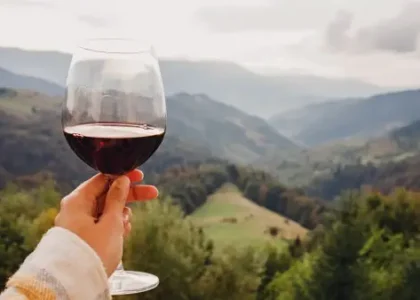
One would be talking about the Balkans but still not tell about its food and therefore failing to tell its true heart. The local cuisine reflects the history and the geography of the place directly: wholesome, full of flavor, immensely satisfying. It is a simple, inelegant food that focuses on seasonal, local and fresh ingredients. Every country, every region in every country has what they are good at, but they have unifying themes. Otoman legacy is evident not only in their fondness of grilled meats (\8699 Land leadership 8699 conspicuous love of grilled meats (\819iltonarationurb rom buhloss presentsh pocheslormondrx Costeh yata piadosa cevapi, pljeskavica), and salty pies (burek), but also in their sweet and syrupy desserts (baklava). Mediterranean influence is reflected along the adriatic coast and it focuses more on fresh seafood, olive oil and aromatic herbs. Slavic customs serve up warming stews and pickled vegetables and a cheesy smorgasbord of cured meats in the heartland. An expedition of gastronomic exploration of the Balkans is an adventure by itself. It is about savouring lamb cook slowly in the mountains of Montenegro, a simple, yet perfect Shopska salad in Bulgaria with its tomatoes and sour sirene cheese, or the new wine production in the vineyards of North Macedonia and Croatia. The food here is not just something to eat and nourish the body, it is a way of socializing, national pride, and love. To sit down to a feedingshop in the Balkans is actually to share in a practice as ancient as that which is already full of history.
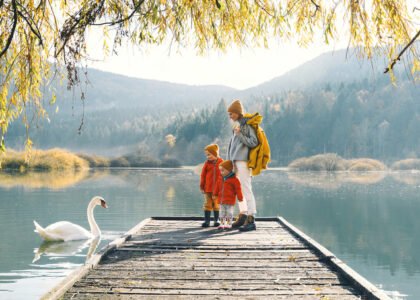
The Balkans are as well blessed with some of the most spectacular and undiscovered nature scenes in Europe, besides its enchanting cities and historical place. It is an outdoor lover super playground with a mind-numbing variety of landscape that is unexpectedly wild and open. Dinaric Alps run along the peninsula offering some of the best hiking in the world such as in Durmitor National Park in Montenegro and the Julian Alps in Slovenia. The Croatian coastline that boasts a myriad of islands and turquoise waters of a crystalline hue, is made of Mediterranean dreams. The Albanian Riviera is an undeveloped, stunning shoreline, which only rivals any other shore in Europe. This mode of transportation is also located in the region of some of the most beautiful lakes on the continent of Europe and the world, including the Lake Ohrid, which is a UNESCO World Heritage Site and divides North Macedonia and Albania, as well as the incredible lakes of Plitvice, in Croatia with their tiled, cascading waterfalls. You may go rafting down the Balkan deepest river canyon of Tara and visit the huge wetlands around Skadar Lake. The special thing about these national wonders is that they have the untamed effect. You can go hiking and witness the wildlife rather than humans, you can visit some hidden beaches to find no one there, and you can enjoy the feeling of tranquility and aloneness that other people are losing. Such strong sense with nature, being a normal aspect of life with many of the Balkan people, presents another form of an authenticity the opportunity to be in touch not only with culture, but with the wild essence of this corner of the European landmass. Only in this magnificent effect of a natural theater can the final sensations of freedom and the discovery be, really enjoyed and Balkans confirms its reputation of being a place nurturing the soul on any possible levels.
Uncharted territory of the Balkan Peninsula is more than the high mountains and the glistering sea; it has become the very pulse of life, the speed that can scarcely be described as resistance to the manic intensity of the 21 st century. Here is the place where the idea of so-called slow travel will find its most natural and spontaneous implementation. Part of the spirit lies in the fact that the trip is celebrated as much as the destination, and the philosophy is best represented by the largely winding train lines and scenic bus services that wind their way up and out of mountains and valleys throughout the realm. Travelling the Balkans teaches one how to be patient, and how to observe. It is the time on the ferry between the Croatian islands, as the light goes through the water, or sitting in the car on the southern Istrian hills in the afternoon sunlight getting off the car to an impromptu stall selling truffles and honey. This is not a marketing trick as many are used to; this slow approach to things is a staple of the local culture. It makes you want to stop, stay in one place, devote all afternoon to it, just breathes in the air of the moment. It is quite possible to be intrigued by some backgammon players in a park in Tirana, or some fishermen patching their nets in a Montenegrin coastal town. This pace is slower and brings people closer in creating serendipity which results in the best souvenirs. It is a good lesson that the best aspects of travel are connected not with checklists, but by giving a destination a chance to show itself as it wants, in the time it wants.
This beat of daily existence has its brightest rhythm in the cafe culture which is everywhere to be found in the Balkan social landscape of every town and city. Cafes cannot be mistaken as a fast refreshment center, but the common living room, open-air office and the de jure, the community center of the locality. Whether it is the numerous, large-scale, Austro-Hungarian style cafes in Zagreb, or one of the small, crowded cafes, spilling onto the streets of Skadarlija in Belgrade, or a slow and easy macchiato prepared in a small, family-owned cafe in Sarajevo, drinking the coffee, be it a light Turkish coffee, a bubbly espresso, or a drawn out macchiato, is deep-rooted social moment. An invitation to visit or to stay with a kafa or kafe, means an invitation to associate, to chat and to seek to watch the world pass away hours and hours at a stretch. Sitting in a Balkan cafe is a lesson of cultural immersion to a traveler. This is where you can see the details of the local life, hear the heated political issue and watch a happy reunion, experience the heartbeat of the city. It has a kind of democratic beauty; students, artists, business men, and pensioners rub shoulders in the same zone generating an invigorating social fabric. All that is required is to sit down, order a drink and relax to have a part in participating in this culture. And in these informal off-the-cuff moments of viewing and involvement you feel you are not a tourist, but a temporary part of the local tapestry, and you have a reality as thick and potent as the coffee itself.
Burrowing deeper in the Balkan soul exposes that it has a great respect towards tradition and craftsmanship, a tradition that runs deep throughout many generations; even when facing mass production, it still has managed to stay alive. It is the country where still something is manufactured by hands, heart and with extreme pride. You may even see craftspeople very carefully carve wooden items or skillfully work on elaborate filigree silver jewelry in the historic bazaar of Gjirokastister, Albania a UNESCO World Heritage city. At Sibiu you may be able to see the art of painting icons on glass, a very fine and very religious art in villages around the area of Romania. This living heritage is reflected in the markets in the peninsula. Instead of selling the common, created-in-batches souvenirs, they wind up with the one-of-a-kind, custom-made products that encapsulate the statement about both location and individual. There are hand-woven Bosnian carpets, Serb colourful pottery, naval perfume products of Croatian island of Hvar. Practicing some of these crafts acts as an unmediated connection to the cultural identity of the region. No, the purchase of a piece of pottery does not only mean a transaction, it means enjoying an ancient art, helping a family that is staying in a town, and buying a real part of the Balkan soul. This commitment to safeguarding heritage skills means that the culture is healthy and grounded with a traveler experience an opportunity to observe and embrace a lifestyle in which quality, beauty, and heritage are intact.
Once introduced to the country through this mix of land and tradition, their expression could not be more effective or tasty than the emergence of agritourism. In the Balkans, all the way through wine farms in Slovenia to olive groves in Greece, people are welcoming people into their lives and farms to make a more authentic experience. It is neither a slick, commercialized endeavor, but simply an invitation to the inmost of the rural way of life. You can spend your days in the Serbian countryside learning to make cheese, picking olives in Montenegro or going out on a truffle hunt in the forests of Istria. Any agritourism visit is definitely crowned with food. They are nearly all farm-to-table, which is not a new fanciful marketing term; it is just a fact. You will eat vegetables freshly gathered in the garden an hour ago, eggs laid that morning, wine which had been pressed out of the grapes on your window sill. This is not just a vacation, rather an education about sustainability, local cuisine, and intimate relationship between people and land they work on. It will enable you to build a personal relationship with your hosts, through them sharing stories at dinner table, which is full of the fruits of their labor. Living in a world where few of us get to see where our food originated, Balkan agriculture tourism is a guide pillar back to basics and a journey based on authenticity and culminating in a feast to remember once it is complete.
The trip to the Balkans is not only about the social and cultural richness but can be a rather spiritual and thinking journey as well. There are sacred sites over the peninsula which spread a very strong feeling of the peace and history. The Byzantine art that leaves a person bewitching and thoughtful is presented there in the beautiful exteriors of frescoes painting in the monasteries of the Bucovina region in Romania by their representations of biblical scenes. The rough and distant nature of Meteora in Greece where the monasteries are dangerously grounded upon wispy rock pillars makes the viewer feel like he or she is in a fantasy novel easily triggering thought or fascination. The town of Medjugorje in Bosnia and Herzegovina has been termed as one of the most important pilgrimmer sites by Catholics all over the globe and the place is thronged by millions of people seeking spiritual satisfaction. The spiritual aspect does not apply to religious places alone though. It is within the deep silence of a mountain path, in the ancient mysteries that the Thracian ruins of Bulgaria offer, or within a pensive minute of contemplation at one of the emotional war memorials, that act as a grim reminder of what this land went through, and the remarkable ability to never give in. This spiritual undertone helps to make the visit to this place even more special, urging guests to seek answers inside themselves, to ponder over some bigger questions about history, faith and survival and to take some inner comfort in a land where more than its share of pain has been experienced.
It is against this background of so much veneration of history and tradition that there is the emergence of a youthful urban culture that is dynamic and progressive, and which forms another intriguing texture of authenticity to Balkan experience. Cities Belgrade, Zagreb and Sofia are full of creative energy that can be felt. Long-established industrial areas have become cultural creative zones, such as Savamala in Belgrade or Metelkova barracks in Ljubljana, an old barrack in alternate bars and galleries, largely decorated with street art. New business owners are opening specialty coffee shops, craft beer breweries, as well as new innovative restaurants that combine ancient culinary recipes with contemporary preparation methods. The nightlife is mythical, yet not because of its glitzy exclusive clubs, but because of an down to earth, energetic, and most impressively various nightlife, which spans everything on the Danube banks in its large open air clubs to crumble bars serving the entire musical spectrum out of the back alleys. This youthful aggressiveness is not aimed at copying the West, rather it is aimed at creation of a new, different, Balkan identity. It is created on the basis of a rich history, dependence on world trends, and appetite to build a bright future. As a traveler, it would imply visiting a destination not living in the past but recreating itself. It gives the opportunity to meet people creative and strong, and, what is more, extremely hospitable who give you an impulse to feel optimistic and get inspired with the future of this magnificent corner of Europe.
Lastly, the fact that the Balkans is surprisingly cheap is probably the strongest point to choose the region as the final destination of true traveling. This economic fact does not only enhance the virtue of frugal travelers; in its essence, it is the door that opens an opportunity of experiencing an inner journey that is deeper and more significant. With lower prices of hotel rooms and food, transport, activities, and so on in the area, the financial burden that can easily determine the speed and extent of a journey is relieved. There is freedom to travel longer, to go slow and to say YES to any unexpected experience. You are able to give yourself the luxury of a second glass of wine with the new group of friends you met at dinner time, a local guide on a day tour will allow you more open knowledge of a certain historical site or the risk to take of a guesthouse in a village you know nothing about. Such accessibility democratizes the genuine travel making it open not only to the few privileged who could afford it before, but to everyone with inquisitive nature. It enables you to spend your time and resources not only on spending but on experiences. You will be able to eat in the places where the locals eat, drink in the places where the locals drink, and travel exactly the way they conduct it and do not worry about your budget all the time. This monetary comfort presents a more laid-back and open-minded way of travelling, thus the best setting of the type of sincere communication and unscripted exploration, the essence of which is at the core of a real experience, as the state of the Balkans is not merely a place you have to visit, but the world which a traveller should experience.